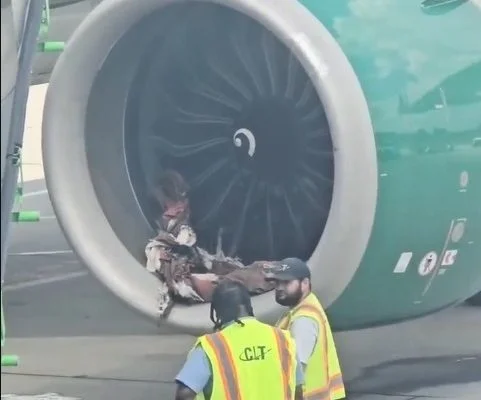


HORROR ON THE TARMAC, A Frontier planes engine shredded!

The Federal Aviation Administration (FAA) is expected to review the event, focusing on whether the hose was correctly positioned, if engine-start procedures were properly followed, and whether additional safeguards or training are needed to prevent recurrence. Charlotte Douglas International, one of the busiest U.S. airports, handles hundreds of daily aircraft movements, making seamless coordination between airlines, contractors, and ground staff essential.
Though no one was harmed, the incident serves as a reminder that aviation safety relies not only on pilots and aircraft design but also on the meticulous execution of ground operations. A single unsecured air-conditioning hose was enough to render a $100 million aircraft inoperable in seconds.
Currently, N365FR remains grounded pending inspection, while Frontier has rotated other aircraft to cover schedules. Flight F93134 passengers eventually arrived in New York nearly nine hours late, frustrated but relieved. For the airline and regulators, the episode is a case study in how minor lapses on the ramp can escalate into major operational disruptions.
In commercial aviation, every piece of equipment and procedure serves a purpose. The Charlotte Douglas incident underscores the reality that even the smallest oversight can have far-reaching consequences—not just for waiting passengers, but for airlines managing aircraft availability, crews, and safety on tight margins.